The ensemble of the future
Increasing connectivity in industrial production brings unimagined opportunities. Companies that define themselves through an open ecosystem will be successful.
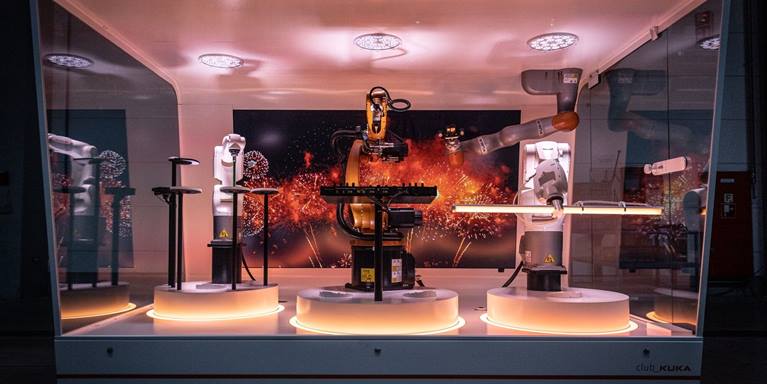
Oliver is a highly talented violinist. But his career is not really taking off. He therefore decides to join an ensemble. And lo and behold: little by little, the hoped-for progress occurs. The compositions become more demanding, the concerts more varied. But the more complex the pieces become, the more the instrumental groups clash.
Although there is harmony within the strings, they do not speak the same language when playing together with the winds, “playing past each other”. What is missing: a conductor. She sees the big picture, not only assigns the musicians their roles, but also gives the ensemble a common idea.
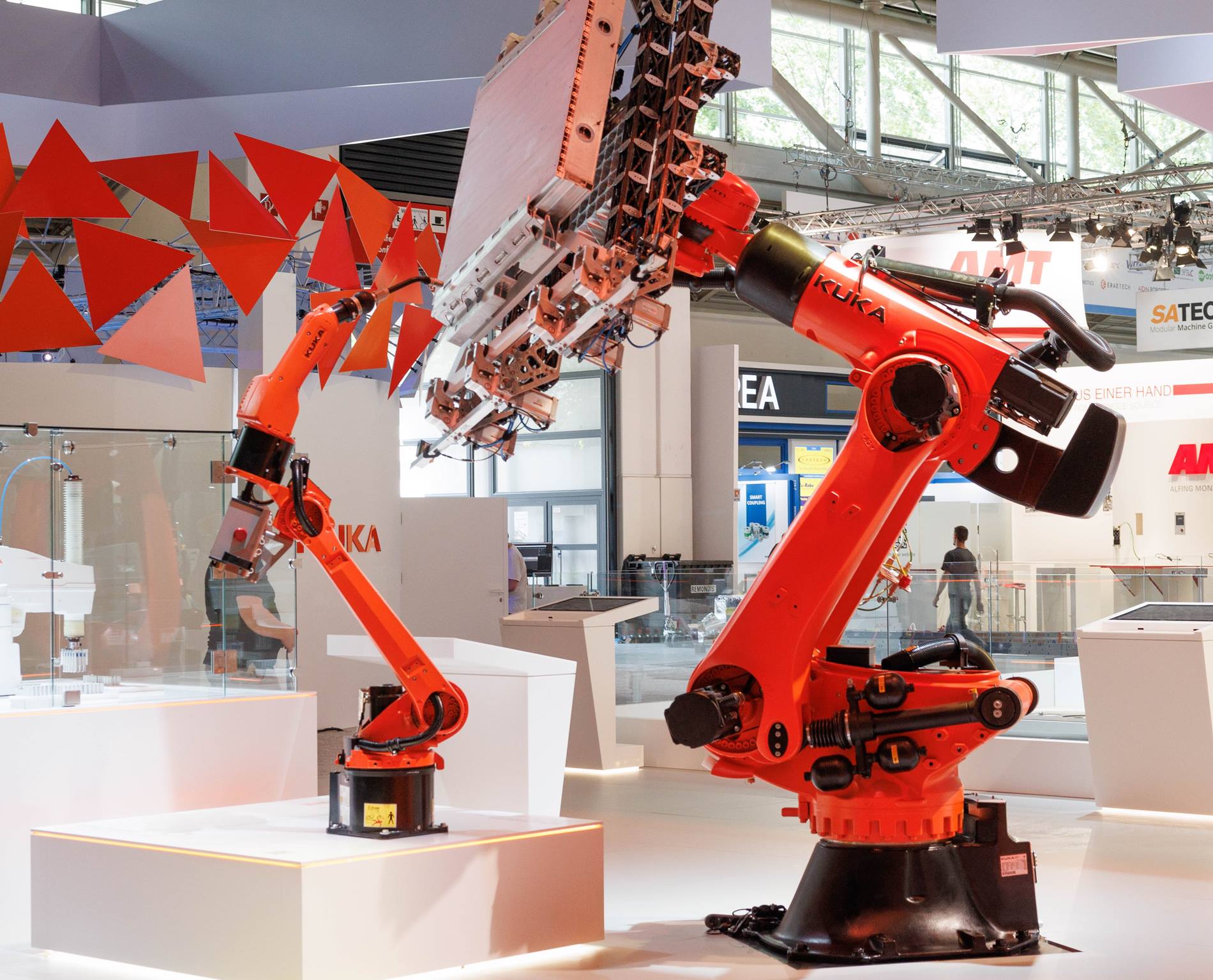
Those who know their strengths have an advantage. Those who strategically combine them with others will be successful. A principle that can be found in all areas: in music, in sport, in business – and also in automation. In the Industrial IoT, production landscapes are merging with the digital world across the entire value chain. Successful companies will therefore be those that define themselves through an open ecosystem. The aim is to increase internal and external connectivity and connect with organizations, companies and experts. To an interplay of ideas and knowledge, man and machine.
The automation company fpt robotics, a long-standing partner of KUKA, is embracing this vision with its control philosophy. It enables simple communication between all industrial components. The approach: each tiny unit can be assigned its own intelligence, which the controller recognizes and orchestrates depending on the task and process. This means that individual assemblies can be combined with complete flexibility, regardless of the manufacturer. This in turn enables industrial companies to individually adapt their automation systems to new conditions. From the smallest unit in production through various peripherals to the entire production environment.
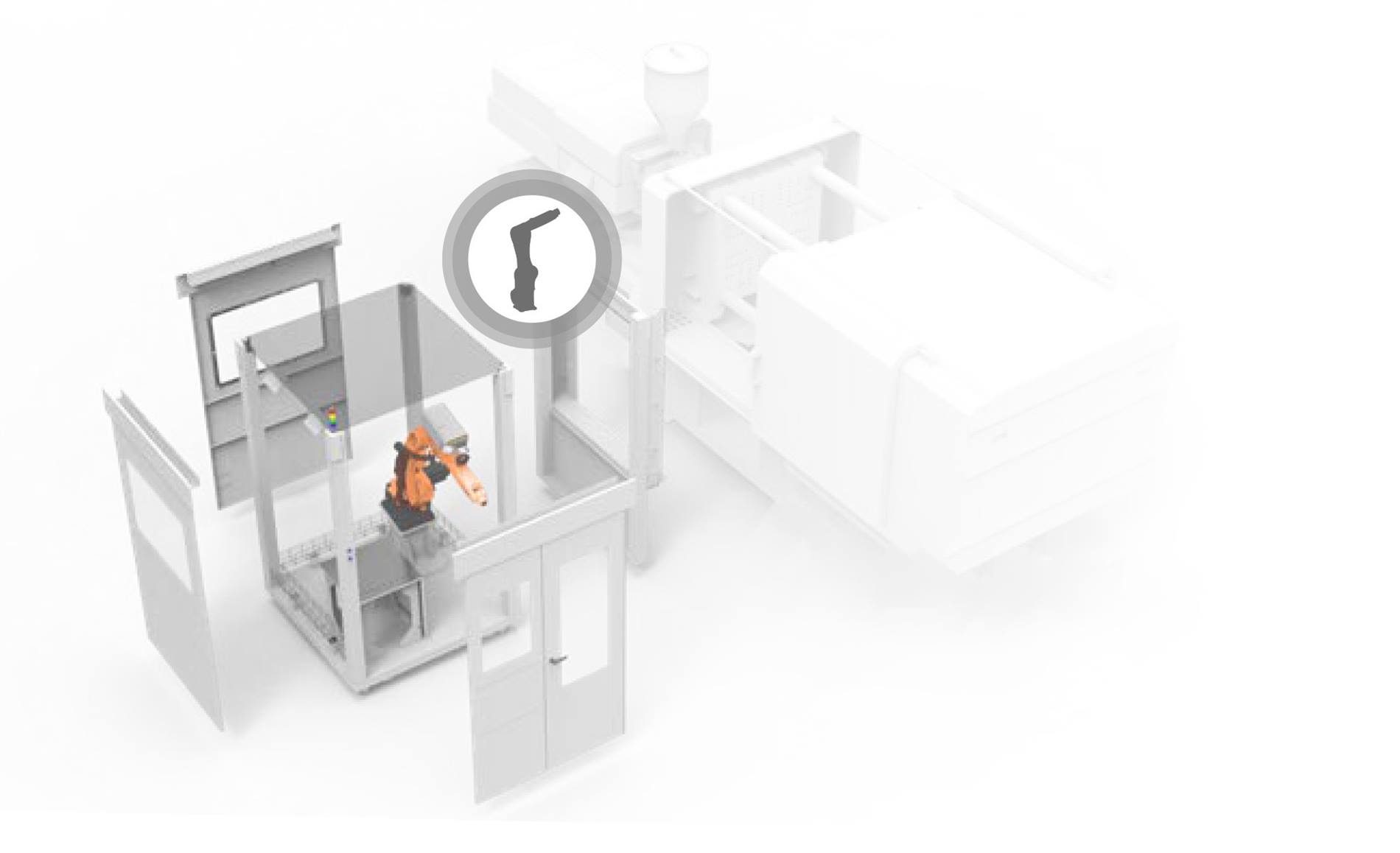

This simple programming and operation of components from a wide range of manufacturers, right down to the smallest unit of a plug-and-play robot, means one thing above all for users: security for the future. There is no need to write software during commissioning, as ready-made software modules can be easily linked to the overall process. This means that robot cells can be individually supplemented and controlled with peripheral components for an existing production line. A holistic communication architecture records and visualizes all required production data in real time and centralizes control over the entire production process - including the integration of third-party systems. Standardized interfaces in both the hardware and software enable fast set-up processes when changing variants, which results in the optimization of part costs. The basic costs only have to be invested once, while the product-related costs are significantly reduced due to shorter throughput times and planning efforts for follow-up projects. Universality is the real game changer here: thanks to reuse at assembly and module level, cost-effective production can be achieved even for small quantities.
fpt robotics is already cooperating with system suppliers, component manufacturers and other technology companies to realize this vision. The network concept combines individual strengths and expertise to form a whole. After all, it is only by working together that individual courageous players can create the symphony of the future.
You can find another example of production connectivity here.
This article appeared in TECHNE 03/23, published by fpt robotics.